 CSOradio
 CSOtv
CSOtv
 CSOradio
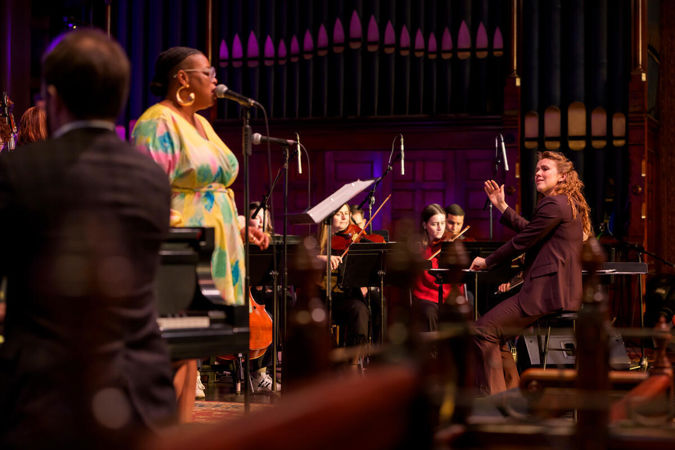
Pianist Ryan Senger joins 2025/26 CSO Artist-in-Residence Joyce DiDonato to perform “On My Way,” written for Kendall White during this year’s Notes for Peace songwriting process.
Todd Rosenberg Photography
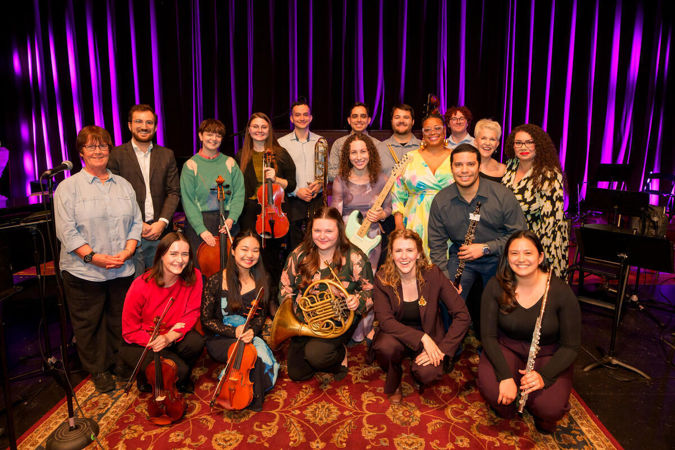
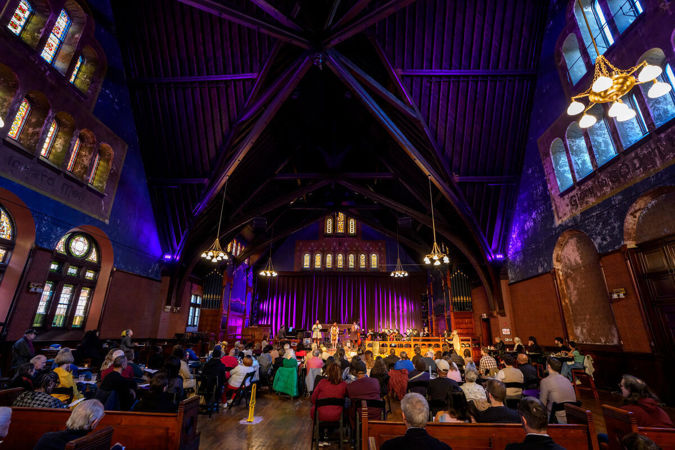
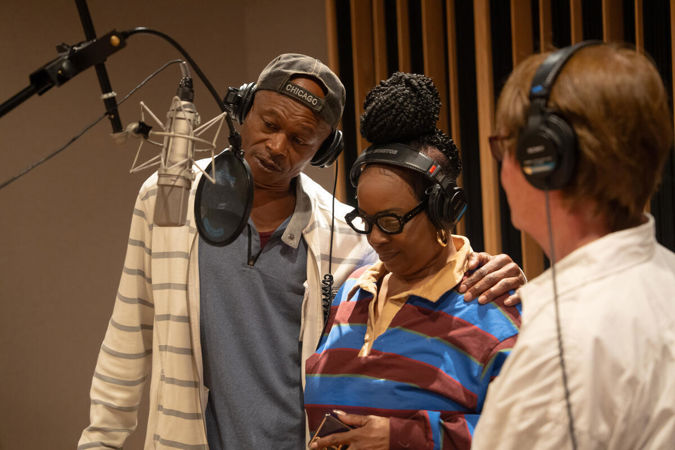
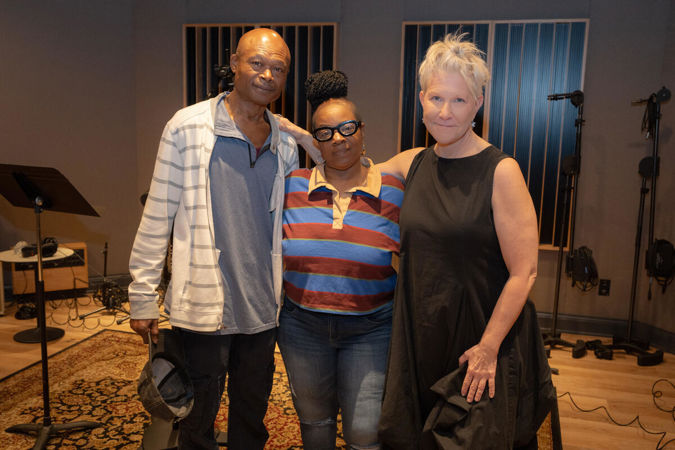
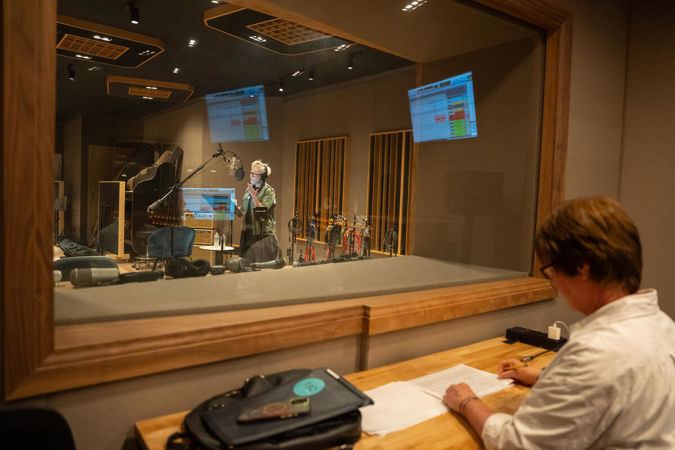
The song is in the key of D major. It offers a vivid snapshot of a Chicago man named Kendall, who loved to drive his car. The ensemble leans into the music as the sun sets, lending an ethereal tint to the recital space as they practice the piece with 2025/26 CSO Artist-in-Residence Joyce DiDonato. It’s just a day before the acclaimed mezzo-soprano is slated to formally record the song in a near West Side studio with Kendall’s parents.
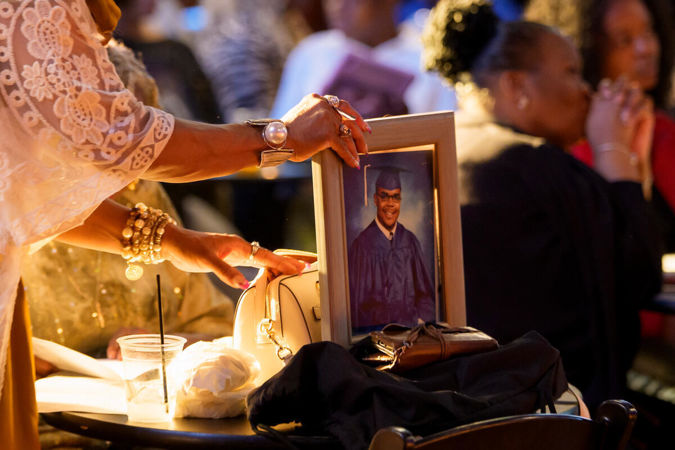
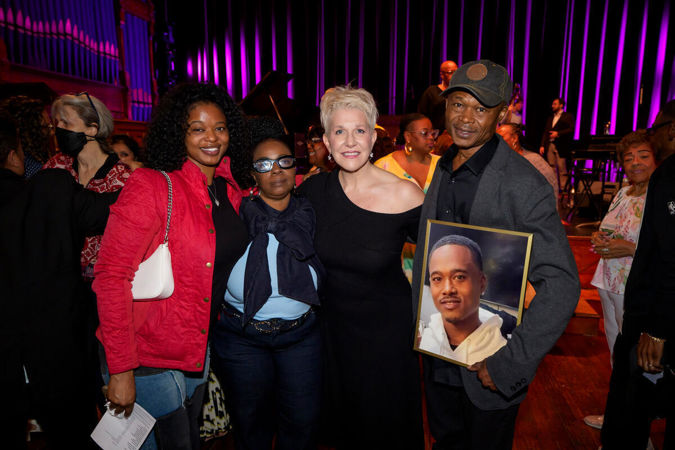
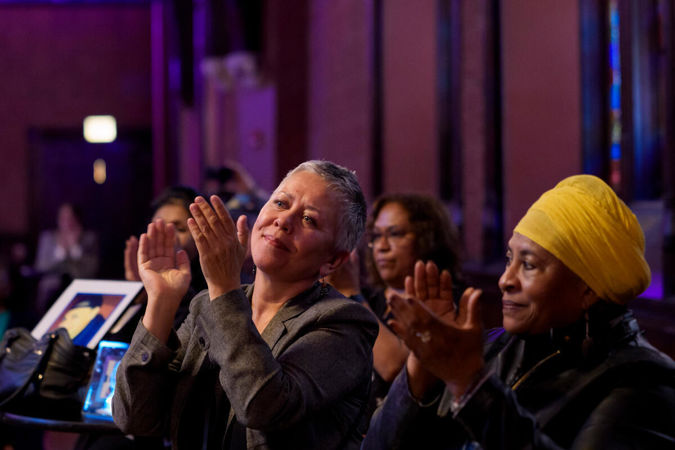
On this day, the day of the rehearsal, most of the folks sitting in the audience of the low-lit Epiphany Center for the Arts are hugging themselves or holding hands. As they watch DiDonato sing and sway, there seems to be a collective holding back of tears. Kendall, like all of the children memorialized by Joyce, the Civic Fellows and other Chicago vocalists during this rehearsal, was murdered. He left us in 2024 when he was just 33 and soon to be a dad to Kendall Jr. Kendall’s parents, Eddie and Latonia Tyler, sit in the front row.
DiDonato goes over the notes, tears up a little and composes herself before leaving the stage to sit with the family. They brighten, quite aware that here is a world-renowned musician singing for their Kendall, whose death was reduced to only a few lines in a local news story.
DiDonato’s version of Kendall is… less stark. More true. Melodic, humorous and zippy, just like him.

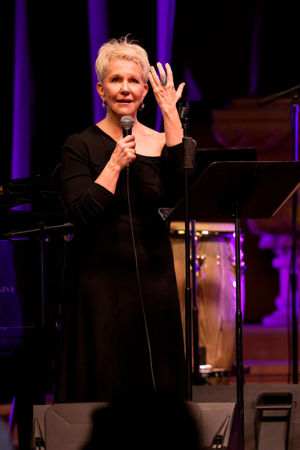
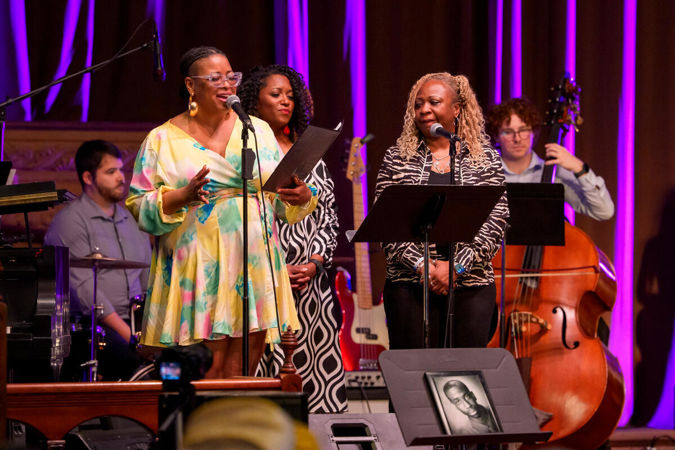
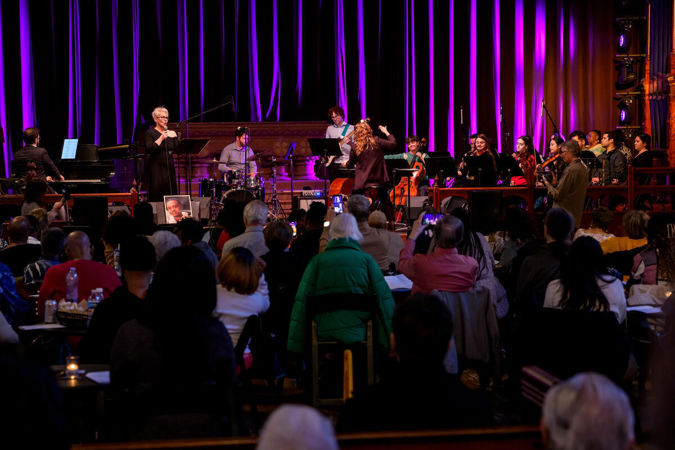
“This collaboration is something truly extraordinary,” DiDonato says, referring to Notes for Peace, a program of the Negaunee Music Institute at the CSO that uses the therapeutic benefits of music to support families who have lost loved ones to gun violence. “I get to go and talk about [these situations] and bring people’s attention to it. They know about the Beethoven Symphony led by such and such maestro, but this work is important too.”
If you know anything about the three-time Grammy winning, Kansas-born star, you know she is something of an expert at transmuting pain and tough topics. Years ago, The New York Times sang her praises for her deft handling of Handel’s somber Ariodante and the accolades never slowed. Years later, she created a gripping portrayal of Sister Helen Prejean in the contemporary opera Dead Man Walking.
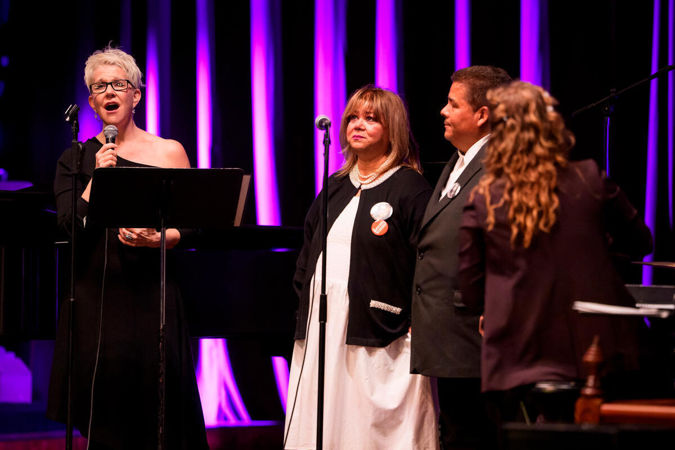
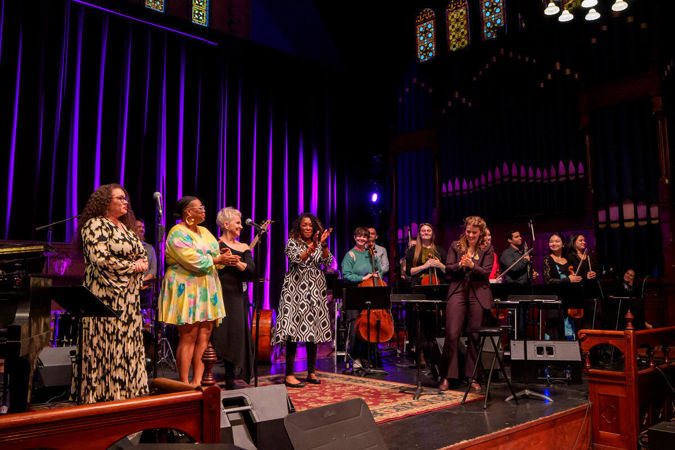
Now that same talent honors a Chicago man in a new song of tribute shared at the Notes for Peace reunion concert. This was one of several moments where DiDonato connected directly with Chicago community members in April.
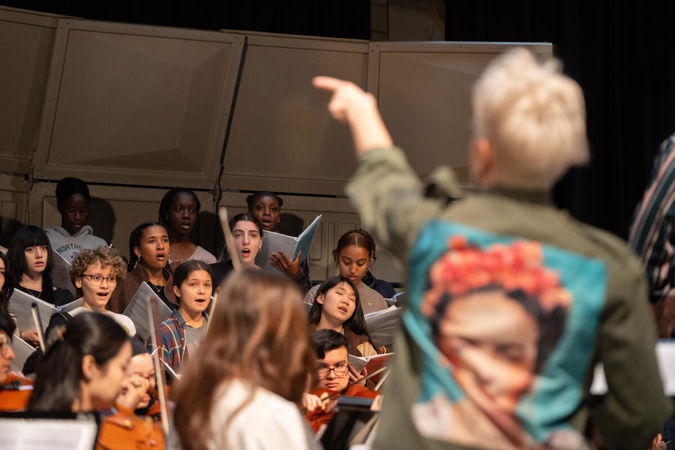
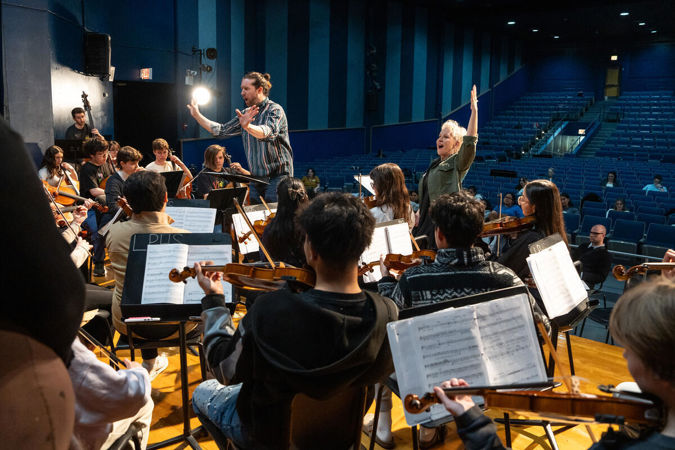
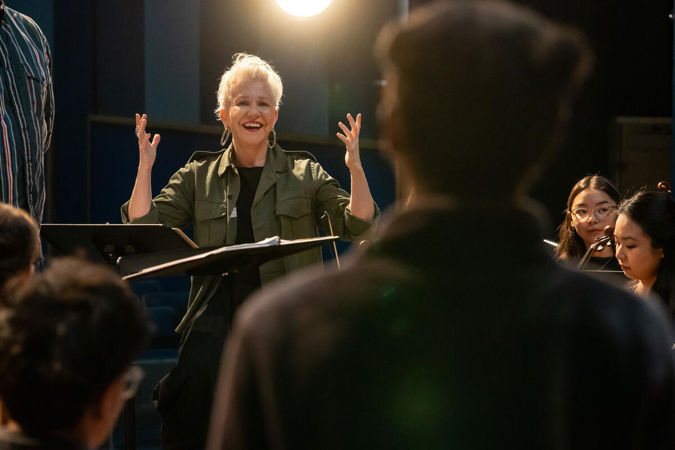
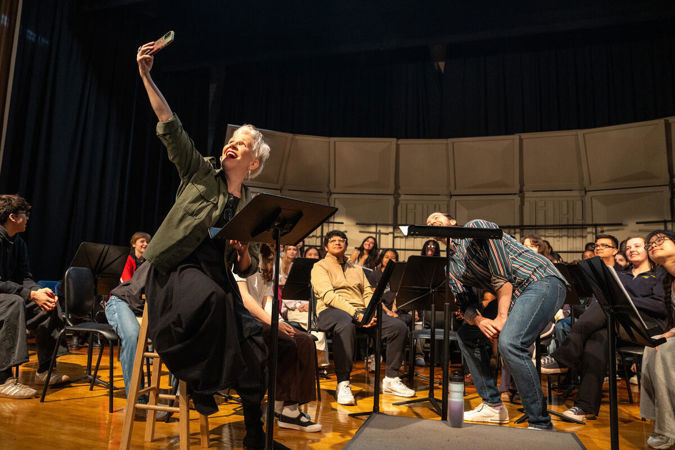
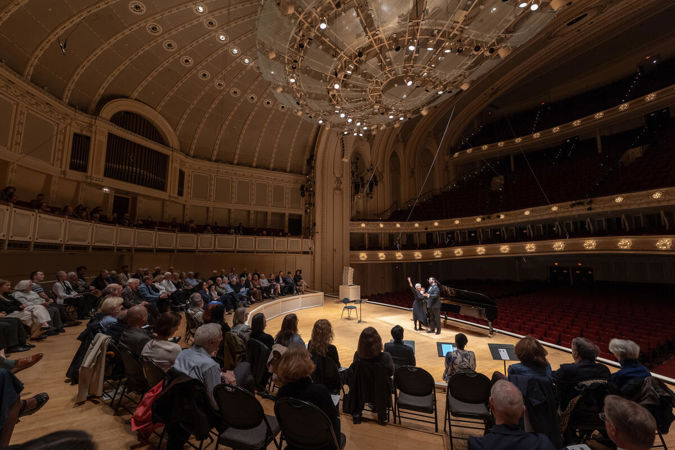
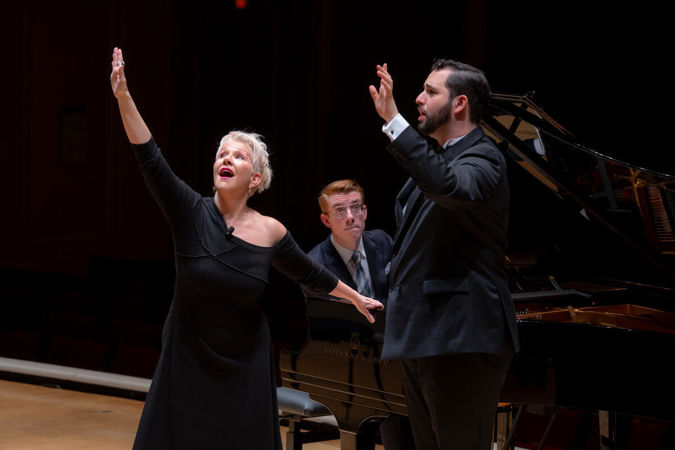
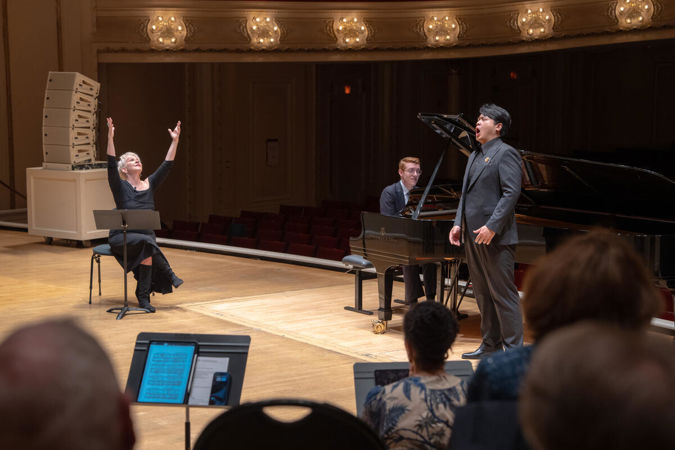
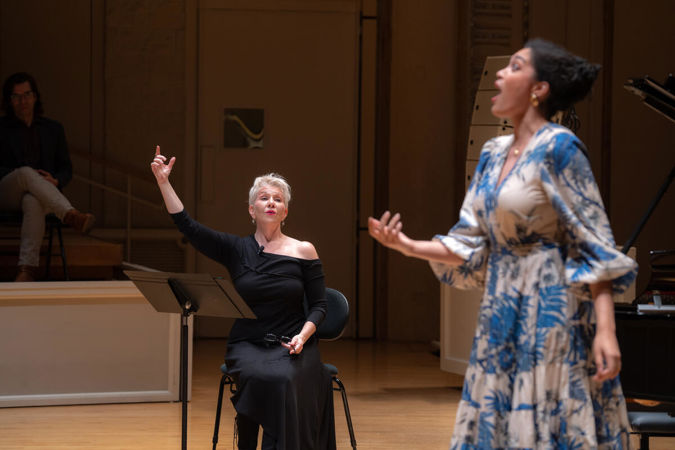
As the 2025/26 CSO Artist-in-Residence DiDonato traveled to Chicago Public Schools to workshop with teen musicians and led a masterclass with singers from Lyric Opera of Chicago’s Ryan Opera Center. In February, she performed with the acclaimed Time for Three in a special treat for poetry fans via new song settings of Emily Dickenson’s poems by composer Kevin Puts in “Emily: No Prisoner Be.” During that Chicago visit, she also met Kendall’s parents for the first time, later returning to spend time with the families of gun violence victims and sang life into a void.
For DiDonato, music serves a social purpose beyond the concert hall. It must inform, encourage debate and thought, and sometimes, transmute grief.
“We sat down in February, they asked me and my husband things about Kendall and we told them,” says Latonia, who was connected to Notes for Peace via the support group Purpose Over Pain, which meets at St. Sabina Catholic Church on the far South Side. “A song came from that, and we heard the lyrics for the first time Sunday. I just couldn’t believe it. Joyce was amazing. Sara Lee wrote the song. And then the song was just playing over and over in my head as I’m laying down for the night.”
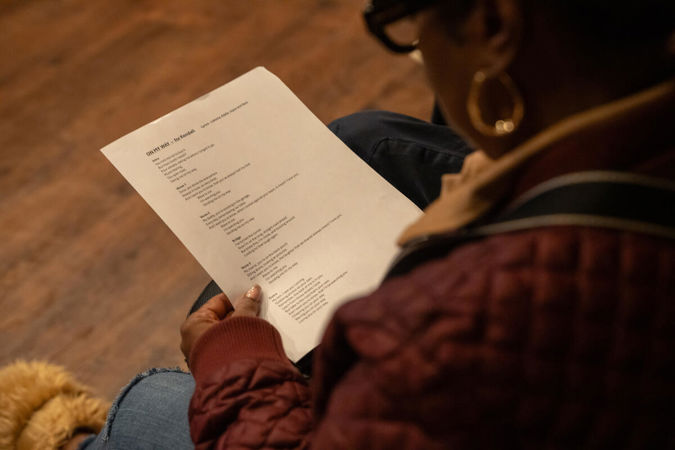
DiDonato can’t really explain how she does it, but she describes her work as a calling. In addition to traveling the world to sing everywhere from France to Japan to New Zealand, she feels compelled to work with people who need help, a salve or an amplification.
She has a phrase for this. “Second responders.”
“I don’t know if this is the right term, but I sort of call it a second responder in a way,” she explains. “And the arts can be like a second responder. The firemen come in and they put out the fire or they save people from danger, but then what? How do we help people go through that trauma and go through walls of grief and walls of paralysis and despair? Music absolutely can do that.”
“I don’t know if this is the right term, but I sort of call it a second responder in a way,” she explains. “And the arts can be like a second responder. The firemen come in and they put out the fire or they save people from danger, but then what? How do we help people go through that trauma and go through walls of grief and walls of paralysis and despair? Music absolutely can do that.”
-- 2025/26 CSO Artist-in-Residence Joyce DiDonato
DiDonato’s residency is made possible through a gift of James and Brenda Grusecki. Their family foundation is known for its work supporting the performing arts and social services. It makes sense that DiDonato’s musical and societal goals would meld here in Chicago via the residency. She views music as a service industry dedicated to humanity.
Lee, who is from the Irene Taylor Trust and regularly collaborates with family members to create new songs for the Notes for Peace program, holds the same views and says it was an honor to work with DiDonato, in particular, on this project.
For DiDonato, this human work plus the work she has done on characters such as Sister Prejean and Dickenson, is far from a side project. It’s the “soul” of her practice, a necessary connection to contemporary human struggles that keeps her grounded even on the world’s most prestigious stages.
In short, it’s intentional.
“This piece that I [just finished], this opera in New York, it’s by a Finnish composer, female composer,” she says, referring to Kaija Saariaho’s acclaimed opera Innocence, about the aftermath of a school shooting. “There’s a group of students that have survived 10 years on, and they say things like, "We know when we walk into a room, people go ‘there’s those kids from the shooting. They don’t want to hear about my story.’”
“I think it’s such a raw, almost shocking thing to see on a stage in an opera house,” she reflects. “To be a part of this program that is making sure those [types of] stories and that grief is not invisible is the foundational part, it helps those families.”
And somehow, as the crying and grief subsides for a time, DiDonato finds the joy in the music and in the legacies. The work goes on.
“To sit across from that kind of grief is overwhelming, especially as a stranger,” she says, reflecting on the experience of working on intense music throughout her career.
She pivots to talking about Kendall and how art can help with communal healing.
“We sat down with Sara, the composer, and [the family] and I said, ‘Tell me about your son.’ That was the starting point,” she says. “We didn’t know each other. And it’s a very, very strange thing, and yet [beauty] can happen because there’s two people that have come to a table and decided to trust each other. From that trust a song is born that memorializes their son. So I take that responsibility of putting their words and thoughts in front of them and in front of the public. It’s my job to convey it.”


