CSOradio
 CSOtv
CSOtv
 CSOradio
A microphone stands sentinel over the Orchestra Hall main stage.
Todd Rosenberg Photography
Back in 1925, the year when Soldier Field opened, and both the Tribune Tower and Union Station were completed, Chicago radio listeners tuned in for the first Chicago Symphony Orchestra broadcast. A century later, the CSO can be heard in nearly 500 radio markets across the United States, with each episode toggling between concert performances, vintage recordings, backstage interviews and incisive commentary.
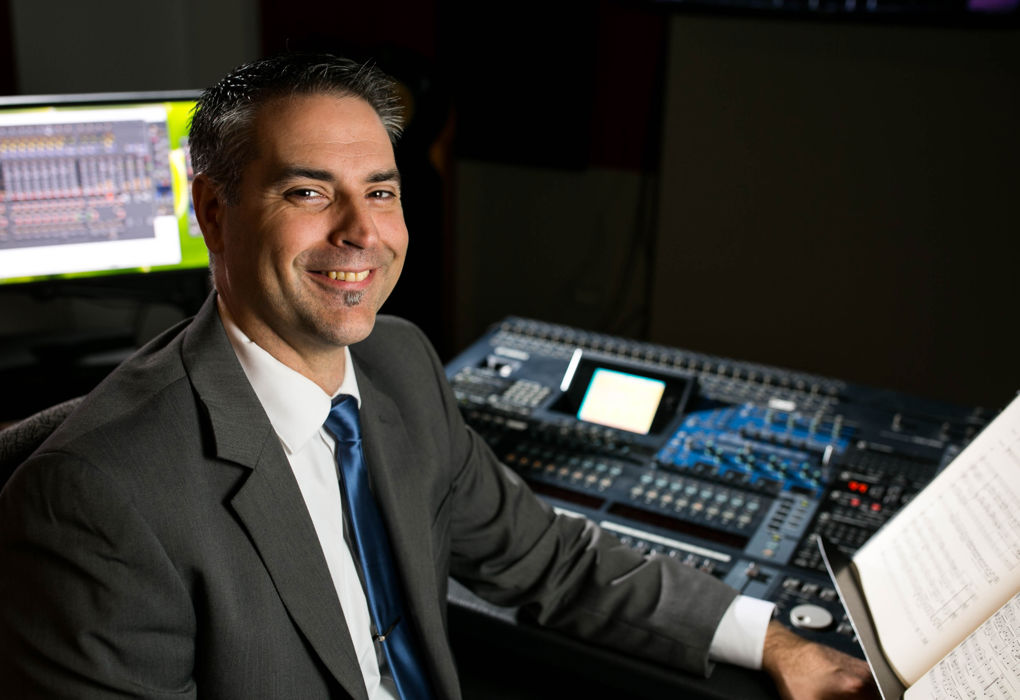
It’s important to point out that the path from Orchestra Hall to listeners’ car radios, phones and laptops is not as straightforward as it may seem. A multi-pronged production effort starts when Charlie Post, the CSO’s Grammy-winning audio engineer, records concerts and rehearsals, before selecting the favored version for broadcast. Meanwhile, soloists and conductors are interviewed in Symphony Center’s studio. Then as the series’ producer, this writer scripts the entire production and assembles the various audio components. Host Lisa Simeone records the narration at her Baltimore-based studio before the full show is mixed, mastered and delivered to the WFMT Radio Network for distribution.
That’s the 30,000-foot view. In detail, various complexities can arise, especially when it comes to recording large-scale such “beasts” as Boito’s Prologue to Mefistofele, under the baton of Riccardo Muti, as Post recalled.
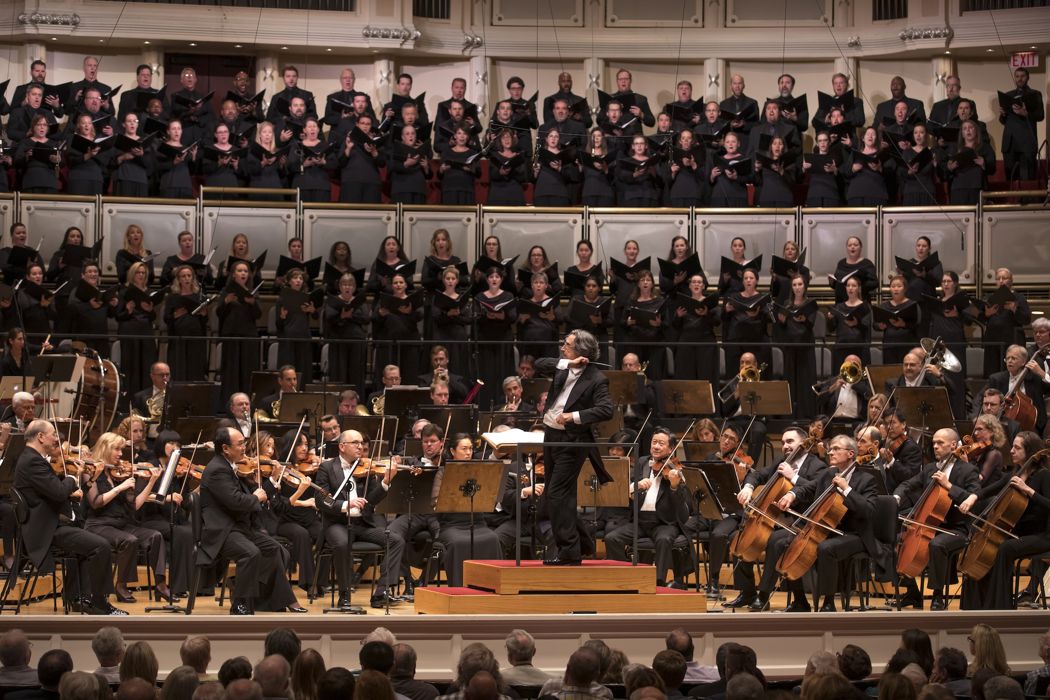
“In addition to the full orchestra and chorus, there was a ton of percussion, a bass soloist, three offstage bandas and a pre-recorded thunder sample,” Post said, referring to his various microphone placements for this program from June 2017. “It was everything but the kitchen sink!” The program was broadcast and later featured on “Riccardo Muti Conducts Italian Masterworks,” an album of opera overtures and choruses released in 2018 on CSO Resound, the orchestra’s in-house label.
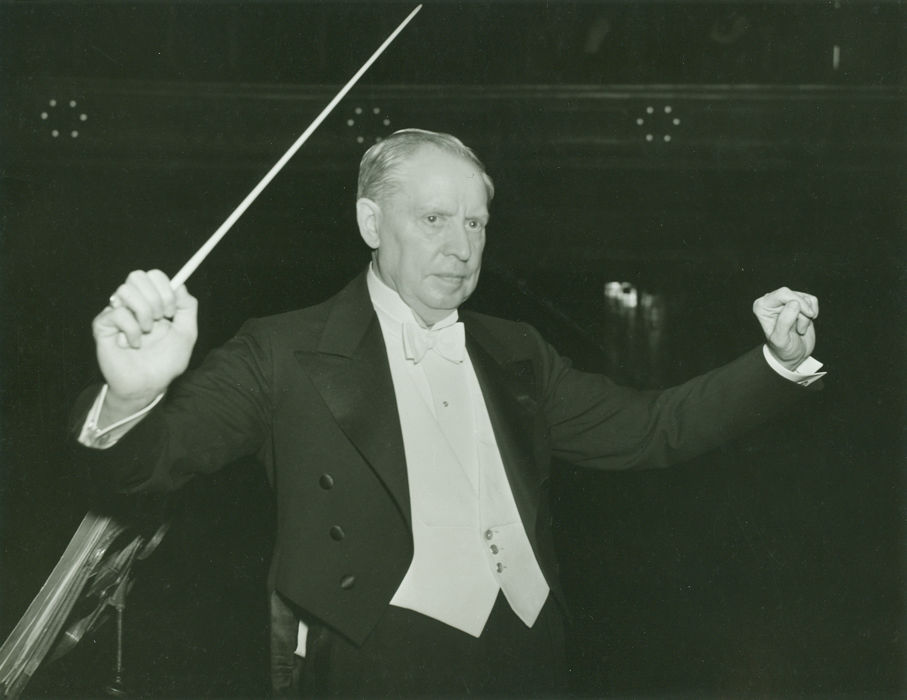
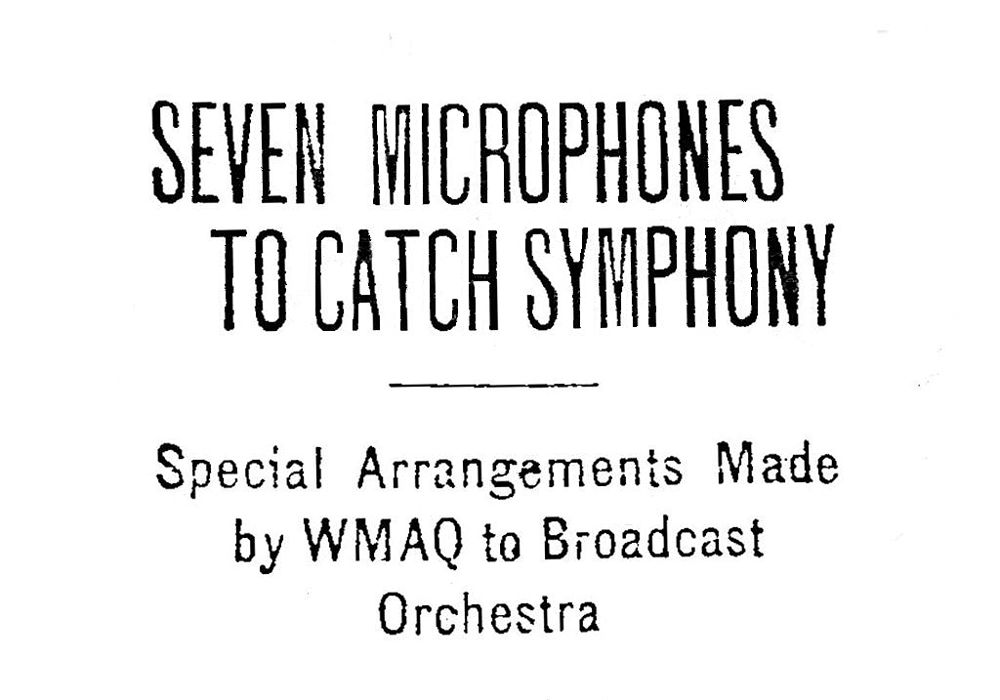
The broadcast series now known as CSOradio has its roots in an earlier program launched on Dec. 10, 1925. Inaugurating its new thousand-watt transmitter, Chicago station WMAQ captured the concert using seven microphones, which Assistant Conductor Eric DeLamarter operated from a radio-control unit in the organ loft. The broadcast — of Music Director Frederick Stock leading a potpourri of popular favorites, including Mendelssohn’s Overture to A Midsummer Night’s Dream — was deemed “a marvelous success” by Elmer Douglass of the Chicago Tribune.
“When the orchestra broke in with the soft opening tones of Halvorsen’s March of the Boyards,” Douglass wrote, “it was realized that all was well. It was phenomenally clear and pure, and best of all, the true, pure, characteristic tones [came through] as though they were heard from a choice seat in Orchestra Hall itself.”
Live from Orchestra Hall
Within three years, Stock and the CSO had begun a series of live, Sunday evening radio concerts, beamed over a chain of Midwest stations, led by WGN, thus establishing a template that has grown over the decades and among different stations.
Fads have come and gone. At the height of the radio game-show craze in the 1940s, the CSO presented “Your Music I.Q.,” a WGN quiz show that featured a panel of experts answering listener-submitted questions. If a listener stumped the panelists, he or she received a pair of tickets to a CSO concert.
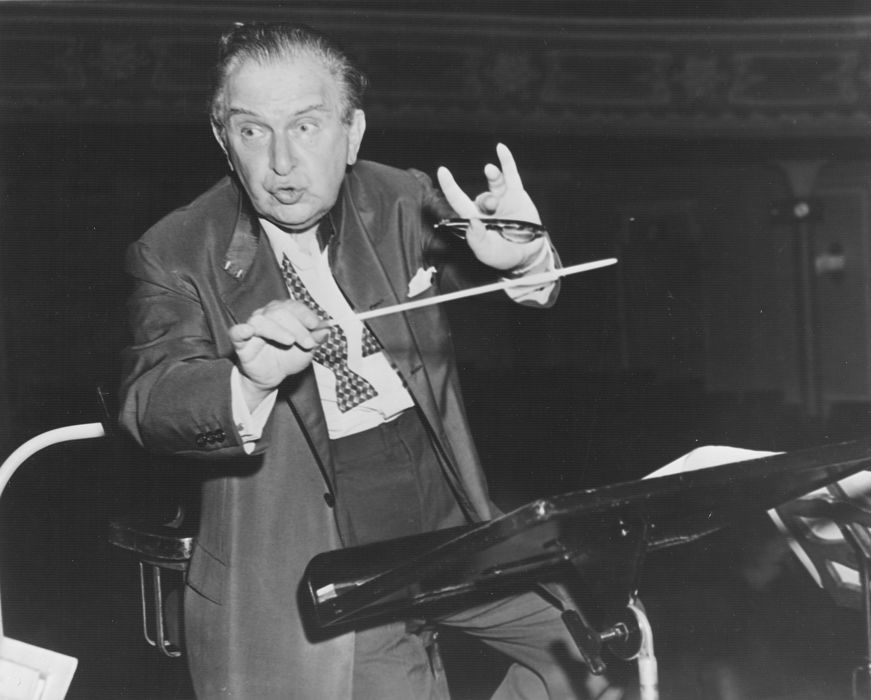
After World War II, and TV came along, the CSO presented a 36-week season of radio broadcasts that “reached into little towns and hospitals” with “something refreshing,” according to Music Director Désiré Defauw. The 1950s brought a pops series and an educational talk show with live chamber-music excerpts.
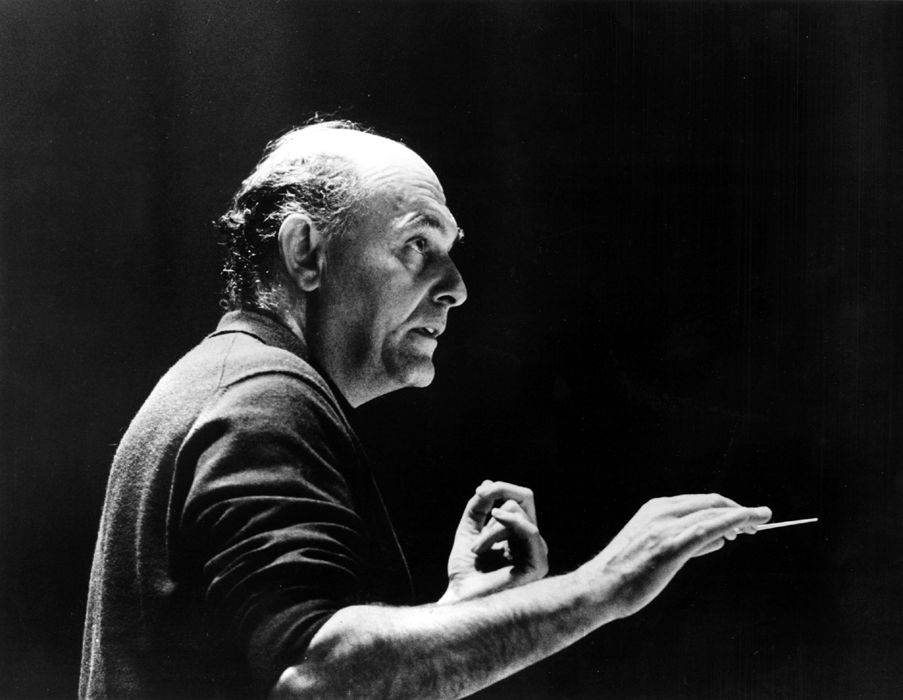
By the early 1970s, the broadcasts had faded. But in 1976, on the strength of Music Director Sir Georg Solti’s global stature, WFMT-FM (98.7) launched a weekly series syndicated to nearly 100 stations nationwide and sponsored by the Standard Oil Company of Indiana (later Amoco).
In 1982, WFMT reported that the CSO had attained the biggest radio audience for any American orchestra, with the broadcasts carried by more than 400 stations. The broadcasts included tour highlights such as Solti-led Bruckner’s Ninth and Shostakovich’s Eighth and Ninth symphonies from the Royal Concertgebouw in Amsterdam.
A return to the airwaves
Amid sponsorship changes, the series ended in 2001, only to return in 2007 as part of a new media agreement that included the launch of CSO Resound. Produced with WFMT-FM and syndicated by the WFMT Radio Network, the series has been hosted ever since by Simeone, a broadcaster whose extensive résumé includes stints on “All Things Considered,” “Performance Today” and other public radio programs.
Under Riccardo Muti’s tenure as music director, the CSO has also appeared on the WFMT Radio Network’s Opera Series, in concert broadcasts of Verdi’s Un ballo en maschera, Aida, Falstaff, Macbeth and Otello. During the COVID-19 pandemic, WFMT-FM and the Chicago Symphony Orchestra partnered for a new Tuesday evening series called From the CSO’s Archives: The First 130 Years.
In the run-up to Klaus Mäkelä’s first season as music director, in 2027-28, the series has broadcast several of his recent guest performances. They include his accounts of Mahler’s Third Symphony and Shostakovich’s 10th, and music by Finnish compatriots Jean Sibelius and Sauli Zinovjev.
"The radio broadcasts and commercial recordings are truly the Chicago Symphony Orchestra’s living history,” said Vanessa Moss, the CSOA’s vice president for operations and executive producer of the series. “They capture the ensemble’s subtle changes that evolve as musicians join and retire, and as legendary soloists and conductors collaborate with them onstage. When on tour with the CSO, I have encountered concert patrons — some former Chicagoans, some not — from all over the country and abroad who are grateful to be able to maintain their connection to the orchestra through the radio syndication and online streaming of broadcasts.”
Stanford Collins, who tunes in via the streams on CSO.org, tells the CSO that, because he must travel over three hours by Amtrak to attend a CSO concert, he is often not at this most focused or rested when he arrives. But the online stream allows him to feel he has a prime Orchestra Hall seat from the well-rested comfort of his home, adding that he appreciates the audio levels and balances. “You have done a splendid job in bringing out detail and timbre of the orchestra,” he says. ”Your broadcasts are really important; they far exceed the quality of sound heard in any seat in the hall.”
For many years, the broadcasts have been drawn from the orchestra’s trove of archived radio broadcasts and commercial recordings. “Our broadcasts, as well as our radio programs that center on our commercial discography, have been our voice and have provided joy and solace to our fans,” Moss said. “I’ve seen emails from college students in Boston, thanking the CSOA for helping them through a difficult exam period. A Chicagoan sent in a donation, and the memo on the check read, ‘Keep the broadcasts going!’ We will continue to do that — every week of the calendar year.”
This is an updated version of an article that was previously published on Experience CSO.